What SaaS Ideas Are Actually Worth Building and Scaling in 2026?
Every founder asking what to build gets the same useless advice: solve a problem you care about. The market does not pay you for caring. It pays you for being in a niche where money is already moving. The cleanest signal of that, before you write a line of code, is who is already paying to advertise. A company that runs ads for months in a niche has proven two things for you: the problem is painful enough that people search for a fix, and the product monetizes well enough to fund paid acquisition. So instead of opinions, here is data: the buildable SaaS niches where real companies are already advertising profitably in 2026, and how to read the gaps.
 See every ad your competitors are runningLive from the Meta, LinkedIn and Google ad libraries · free to searchTry free →




















The test that beats every 'build what you love' take
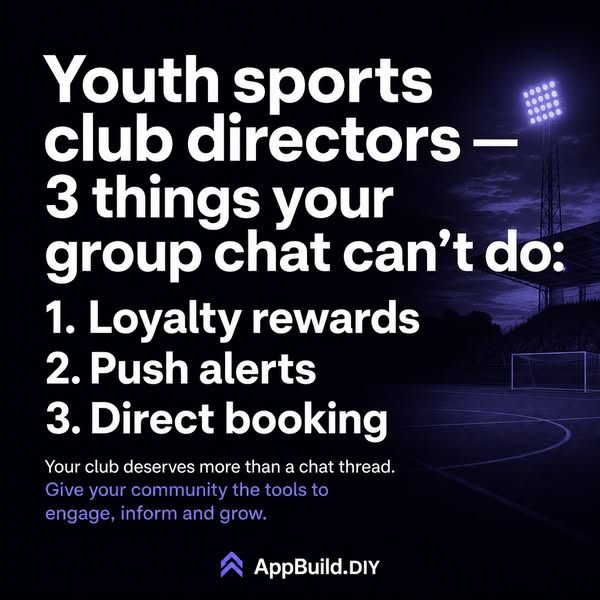
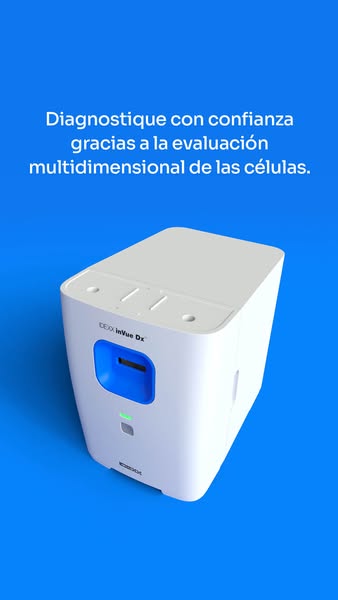
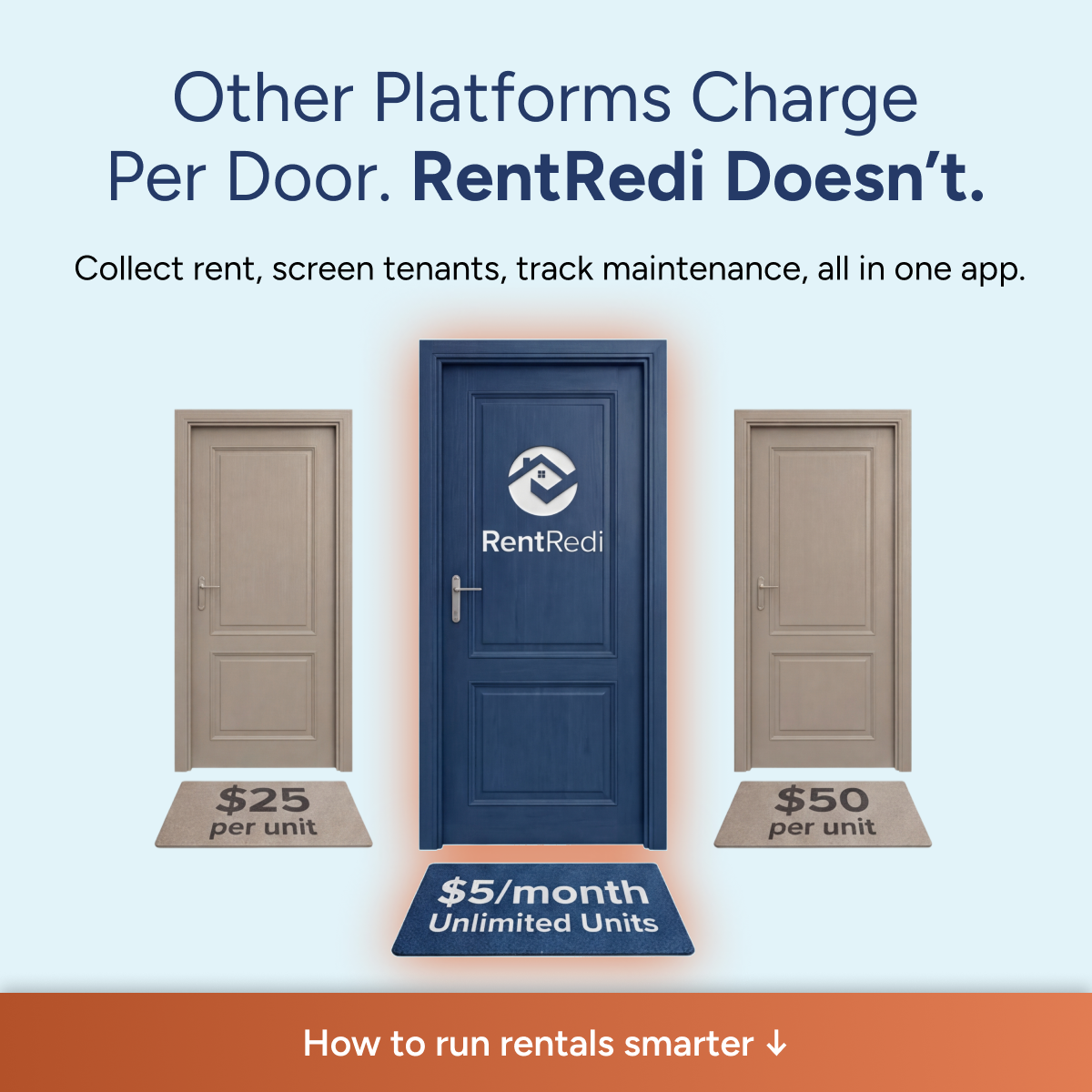
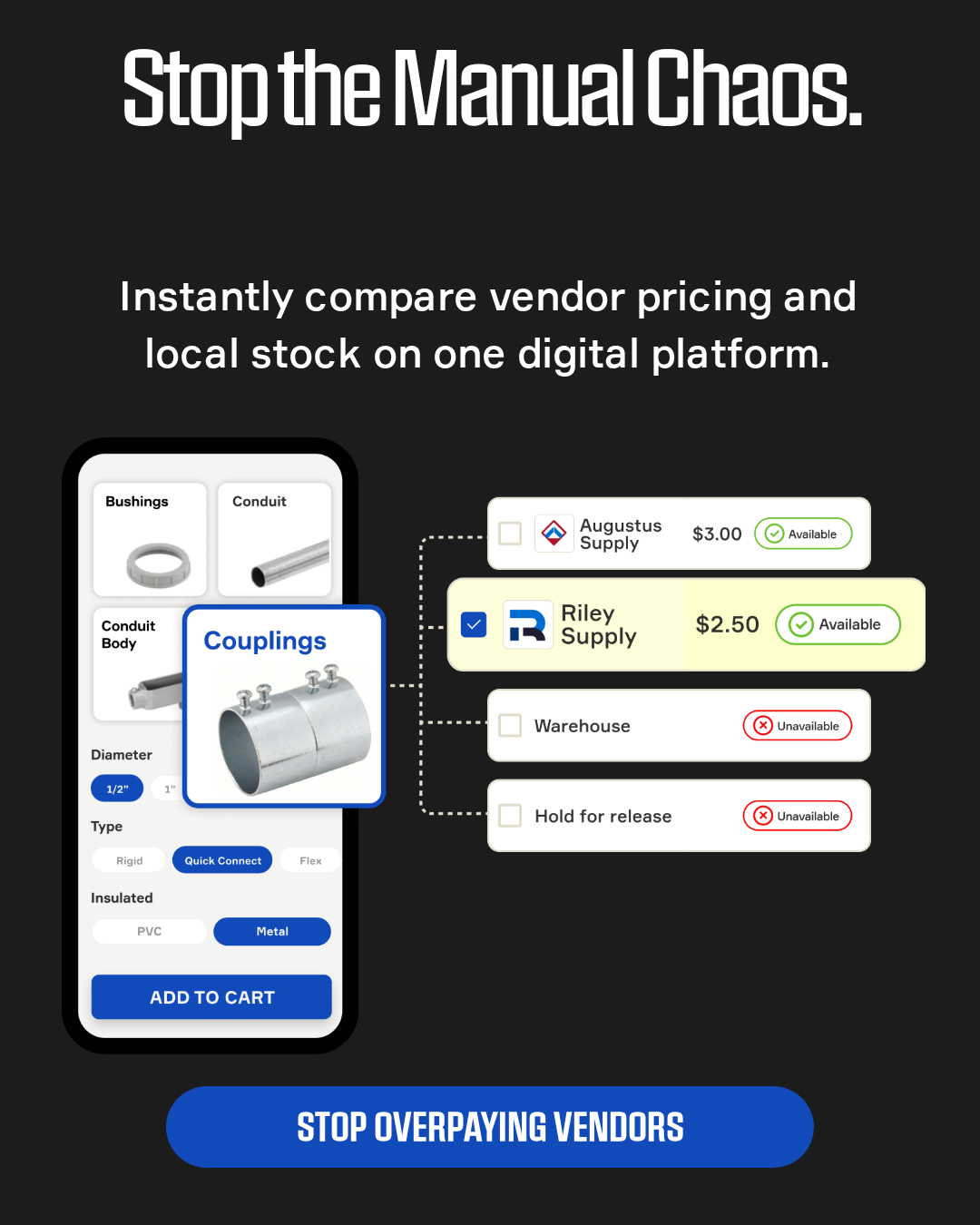
Run any idea through one question: is anyone already paying to advertise for it, and have they kept doing it for months? If yes, you have a market with proven demand and proven monetization, the two things that actually kill most SaaS. If no one advertises in a space, that is not a blue ocean, it is usually a dead lake: either the buyers do not search, or the product cannot make enough margin to fund acquisition. The ad libraries are the cheapest market research that exists, and almost no founder uses them before building. The companies in the table above are not theory, they are proof that a specific, often unglamorous niche pays.
The boring vertical SaaS is where the money hides
Look at the niches that keep showing up: practice management for dentists, vets, law firms and clinics; construction and field-service tools; vertical billing and scheduling. 17 of the niches in our table are this kind of specific operational software. They are not exciting at a dinner party, which is exactly why they are underserved: the loud founders chase the same five consumer-AI ideas while a dental-practice tool quietly charges 150 a month with near-zero churn. Vertical SaaS hits all four of the criteria founders ask for, a real painful problem, early monetization, a lean wedge into one industry, and a clear path to scale across adjacent verticals.
AI that is a workflow, not a wrapper
The founders worried about 'AI wrapper fluff' are right to be. A thin chat box over an API has no moat and no pricing power. What does work is AI embedded in a workflow a business already pays for: an AI receptionist that books appointments for a clinic, an AI scribe that writes a therapist's session notes, an AI agent that qualifies inbound leads on WhatsApp. The AI is the feature, the workflow is the product, and the vertical is the moat. Several of these are already advertising hard, which tells you buyers will pay when the AI removes a concrete, expensive task, not when it just chats.
How to find the underserved niche before it is crowded
Inside a tool like SaaSpy you can do the move that matters: find niches with strong, sustained ad demand but only a handful of advertisers. High demand plus low competition is the window. Read the longest-running ads in that niche to see the angle that already converts, check which platforms the incumbents ignore, and enter there with a sharper wedge. You are not guessing what might work, you are reading what already does and finding the seat nobody is sitting in yet. That is the difference between launching into proof and launching into hope.
Monetizable early, lean, and scalable, mapped to the data
Monetizable early: pick a niche where companies already advertise, because ad spend only sustains where customers pay quickly. Lean / micro-SaaS: pick one vertical and one painful workflow, not a horizontal platform, so a small team can ship something complete. Scalable beyond a side project: choose a niche with adjacent verticals you can expand into once you own the first, the practice-management pattern (dental, then vet, then aesthetic, then legal) is the classic example. The table above is a starting shortlist, the real work is opening each niche, reading the proven ads, and finding the gap.
Frequently asked
Q.Why use ad data to choose what SaaS to build?
Because it is the only signal that proves both demand and monetization at the same time. A company will not run ads for months in a niche unless customers convert and pay enough to fund the spend. That is exactly the two-part proof a new founder needs before committing months of build time.
Q.Are these niches not already saturated if companies advertise in them?
Some are, many are not. Advertising proves the demand is real; the opportunity is the niches with strong demand but only a few advertisers, or where the incumbents ignore a channel or a sub-segment. The goal is not an empty market, it is a proven market with a seat still open.
Q.Is vertical SaaS really better than a horizontal tool for a solo founder?
For starting lean, usually yes. A vertical tool lets a small team build something genuinely complete for one industry, charge real money early, and win on domain depth instead of out-spending horizontal giants. You can expand to adjacent verticals once you own the first.
Q.How do I go from this list to a validated idea?
Pick a niche, search it in SaaSpy, and study the ads that have run the longest, those are the proven angles. Note the offers, the pricing and the platforms the incumbents use, then design a sharper wedge. You validate against real spend instead of opinions.